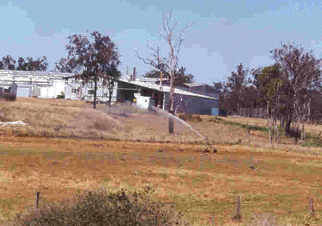
The result of effluent treatment is wastewater and sludge. In general, the lower the level of pre-treatment the higher the levels of nutrient and organics in the wastewater and the lower the amount of sludge produced. Sites which have adjoining conflicting uses or which have sensitive receiving waters (surface or ground) normally require higher levels of pre-treatment. In general, the higher the level of treatment the larger the number of alternatives for wastewater disposal and the greater the volume of sludge
Land disposal is commonly viewed as a relatively cost effective means of disposal when compared with alternatives such as high level treatment and re-use, sewer outfall, stream outfall or land fill. Land disposal is also seen as offering an opportunistic benefit of some cost recovery either by irrigation or processed sludge sales or from irrigation farm harvests.
For projects with on site disposal on lands owned and managed by the factory, realizing these benefits and cost effective outcomes often requires significant investment in management and trading off environmental imperatives of effective disposal against maximizing farm profitability.